
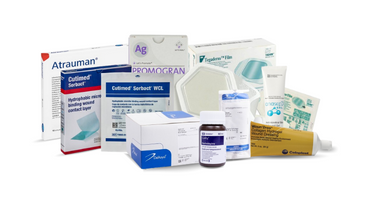


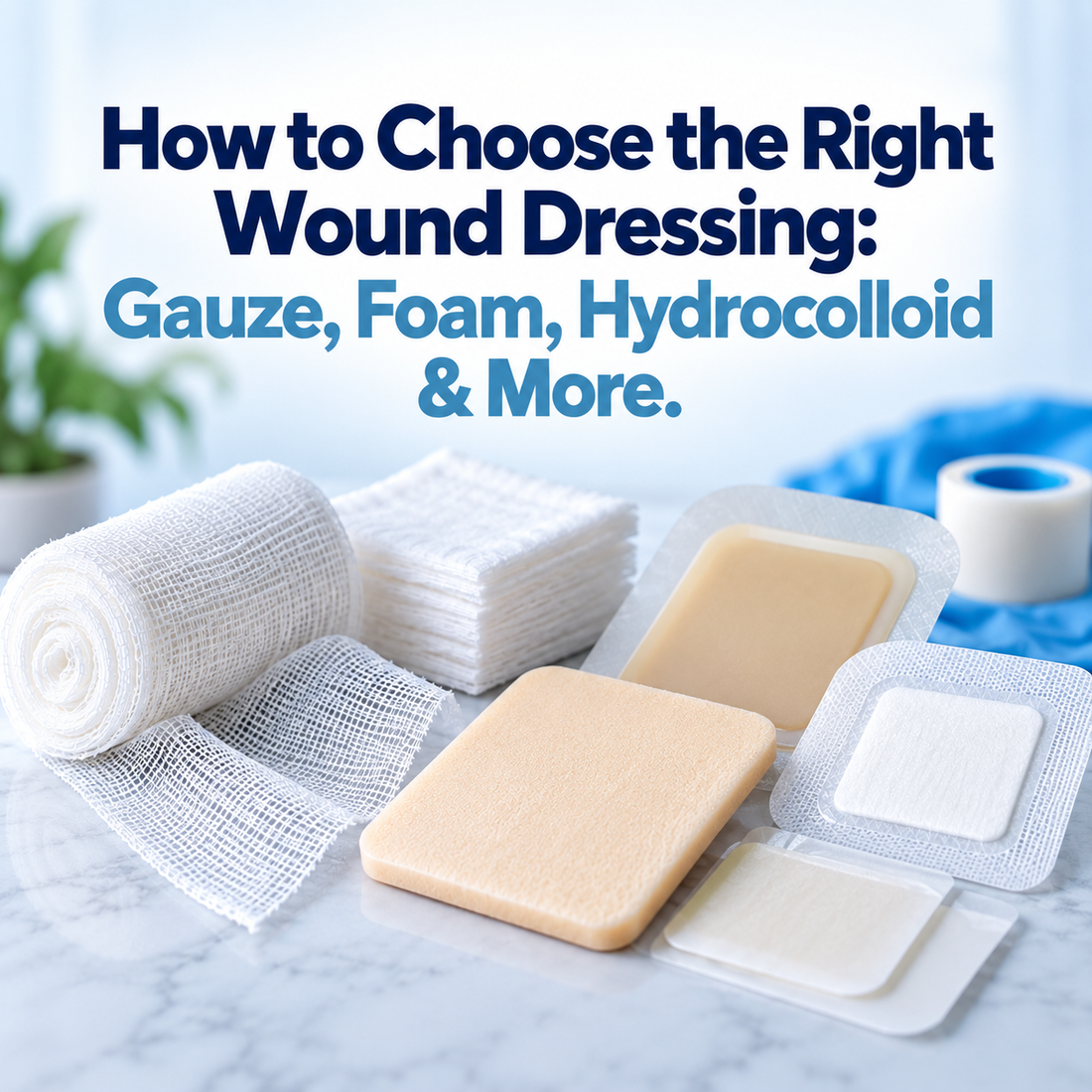
Choosing the right wound dressing is an important part of wound care. With options ranging from traditional gauze to foam, hydrocolloid, alginate, and transparent film dressings, understanding the differences can help patients and caregivers have more informed conversations with healthcare professionals.
Different wounds have different needs. The appropriate dressing can depend on factors such as the type of wound, amount of drainage, wound depth, surrounding skin, and stage of healing.
Here are some of the most common types of wound dressings and what makes each one different.
1. Gauze Dressings
Gauze dressings are among the most recognizable wound care products.
Available as pads, sponges, and rolls, gauze can be used in many wound-care situations depending on healthcare-provider instructions. Sterile and non-sterile options are available for different purposes.
Gauze is affordable and versatile, but certain wounds may require more advanced dressings to maintain the appropriate environment or manage drainage.
2. Foam Dressings
Foam dressings are designed to provide cushioning while absorbing wound drainage.
They are available in different sizes, shapes, thicknesses, and adhesive or non-adhesive designs.
Because of their absorbent properties, foam dressings may be considered for wounds with moderate or heavier drainage when appropriate. Some foam products can also help provide cushioning around sensitive areas.
3. Hydrocolloid Dressings
Hydrocolloid dressings create a protective environment over a wound and interact with wound drainage to form a gel-like material.
These dressings can help maintain a moist wound environment and are often designed to remain in place longer than traditional gauze.
Hydrocolloids aren't appropriate for every wound, so they should be selected based on the wound's condition and recommendations from a healthcare professional.
4. Alginate Dressings
Alginate dressings are highly absorbent wound dressings commonly made from materials derived from seaweed.
They can absorb wound fluid and form a gel as they interact with drainage.
Because of their absorbency, alginate dressings may be considered for wounds with moderate to heavy drainage. They generally aren't intended for dry wounds.
5. Transparent Film Dressings
Transparent film dressings are thin, clear adhesive coverings.
One advantage is visibility. Because they're transparent, the wound area can often be observed without immediately removing the dressing.
Films may be appropriate for certain superficial wounds or for protecting areas with minimal drainage. However, their limited absorbency means they may not be appropriate for wounds producing significant fluid.
6. Consider the Amount of Wound Drainage
One of the biggest factors in selecting a dressing is the amount of fluid—or exudate—the wound produces.
A wound with minimal drainage may have very different dressing requirements from one producing significant amounts of fluid.
Using a dressing that cannot adequately manage drainage may lead to leakage or affect the surrounding skin.
7. Protect the Skin Around the Wound
Good wound care isn't only about covering the wound.
The surrounding skin should also be monitored for redness, irritation, excessive moisture, or other changes.
Depending on the situation, wound-care routines may involve additional products such as:
-
Wound cleansers
-
Skin-preparation products
-
Medical tape
-
Disposable gloves
-
Gauze
-
Barrier products
Always follow the instructions provided by the patient's healthcare professional.
Which Wound Dressing Should You Choose?
There's no single "best" wound dressing for every situation.
The appropriate choice depends on the type of wound, drainage level, wound depth, location, surrounding skin, and individual care plan.
For chronic wounds, surgical wounds, pressure injuries, diabetic wounds, infected wounds, or wounds that aren't healing as expected, seek guidance from a qualified healthcare professional rather than attempting to select a treatment based solely on product descriptions.
Find Your Wound Care Essentials at Medsitis
Having dependable wound care supplies available can make it easier to stay prepared and follow an established wound-care routine.
Medsitis Medical Supply makes it easy to shop for the wound care essentials you need in one place. Explore our selection of gauze, wound dressings, medical tape, wound cleansers, skin care products, disposable gloves, and other wound care supplies from trusted healthcare brands.
Whether you're caring for yourself, a loved one, or stocking supplies for a healthcare setting, Medsitis is here to help you find dependable medical supplies at competitive prices.
Shop wound care supplies at Medsitis Medical Supply today and stay prepared for every step of care.