




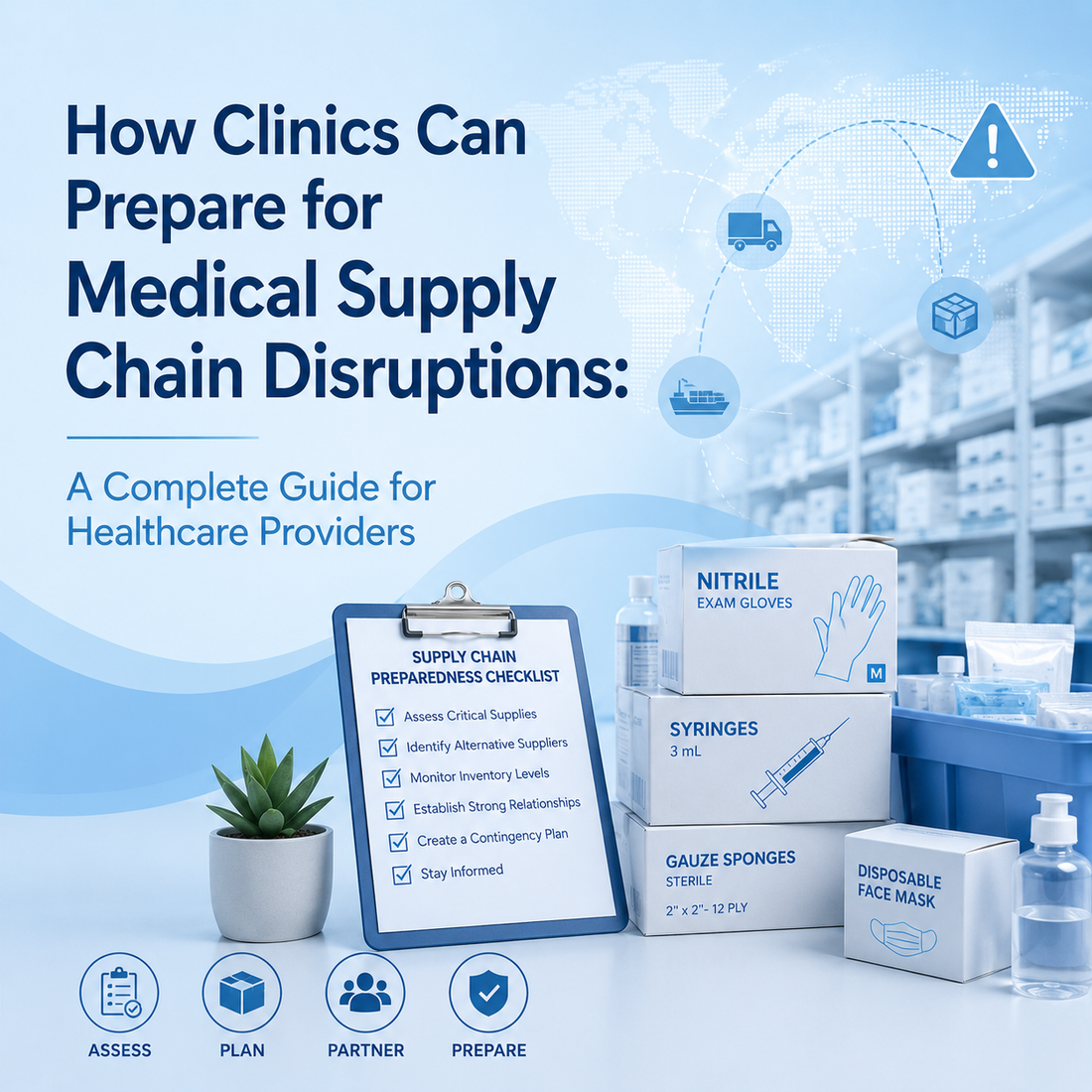
Supply chain disruptions have become one of the biggest challenges facing healthcare providers today. From unexpected manufacturer shortages to transportation delays and increased demand during public health events, clinics across the country have experienced firsthand how quickly essential medical supplies can become difficult to obtain.
For healthcare practices, inventory shortages can result in delayed treatments, canceled appointments, frustrated patients, and lost revenue. Fortunately, proactive planning can help minimize the impact of supply chain interruptions and ensure your clinic remains prepared when disruptions occur.
In this guide, we'll explore why supply chain disruptions happen, which products are most vulnerable, and the best strategies clinics can implement to maintain continuity of care.
Why Medical Supply Chain Disruptions Occur
Healthcare supply chains are complex networks involving manufacturers, distributors, transportation providers, warehouses, and healthcare facilities.
Disruptions can occur for many reasons, including:
-
Manufacturing delays
-
Raw material shortages
-
Natural disasters
-
Severe weather events
-
Transportation bottlenecks
-
Labor shortages
-
Regulatory changes
-
Increased demand during emergencies
-
International shipping challenges
Even a small disruption at one point in the supply chain can create significant delays throughout the healthcare system.
The Hidden Cost of Supply Shortages
Many clinic owners focus primarily on the purchase price of supplies, but shortages often create much larger indirect costs.
Potential consequences include:
Lost Revenue
If a procedure cannot be performed due to missing supplies, appointments may need to be rescheduled or canceled entirely.
Decreased Patient Satisfaction
Patients expect reliable access to care. Delays caused by inventory shortages can negatively impact trust and patient retention.
Emergency Purchasing Costs
Last-minute orders often come with higher prices, expedited shipping fees, and limited product selection.
Staff Inefficiencies
Employees may spend hours searching for replacement products, contacting suppliers, and adjusting schedules.
Compliance Risks
Certain shortages can impact infection control practices and regulatory compliance if alternative products are not available.
The financial impact of a prolonged shortage can be substantial for clinics of any size.
Medical Supplies Most Commonly Affected by Shortages
While any product can be affected, certain categories tend to experience shortages more frequently.
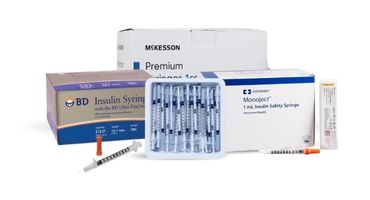
Injection Supplies
-
Syringes
-
Hypodermic needles
-
Safety needles
-
Insulin syringes
These products often experience demand spikes due to vaccinations, chronic disease management, and specialty treatments.
Personal Protective Equipment (PPE)
-
Gloves
-
Face masks
-
Gowns
-
Protective eyewear
Healthcare facilities learned during recent public health emergencies that PPE shortages can occur rapidly.
Wound Care Products
-
Gauze
-
Dressings
-
Medical tape
-
Specialty wound care supplies
Many wound care products rely on specialized manufacturing processes that can be affected by supply chain disruptions.
Diagnostic Supplies
-
Test kits
-
Collection devices
-
Monitoring equipment
Increased testing demand can quickly strain available inventory.
Pharmaceuticals and Reconstitution Supplies
-
Bacteriostatic water
-
Saline solutions
-
Injectable medications
Supply interruptions in these categories can significantly impact treatment availability.
Build a Strategic Safety Stock Program
One of the most effective ways to prepare for disruptions is maintaining a safety stock inventory.
Safety stock refers to additional inventory kept on hand beyond normal operating levels.
When determining safety stock levels, consider:
-
Average monthly usage
-
Historical demand trends
-
Supplier lead times
-
Product criticality
-
Seasonal fluctuations
Critical items may require larger safety stock reserves than non-essential supplies.
For example, a clinic that uses 20 boxes of syringes per month may choose to maintain an additional 30 to 60 days of inventory as a buffer.
Diversify Your Supplier Network
Relying on a single supplier creates unnecessary risk.
When shortages occur, clinics with multiple supplier relationships often recover more quickly.
Benefits of supplier diversification include:
-
Increased product availability
-
Better pricing flexibility
-
Reduced dependency on a single source
-
Faster access to alternatives during shortages
Develop relationships with reputable suppliers before disruptions occur rather than waiting until inventory becomes scarce.
Monitor Inventory in Real Time
Many clinics still rely on manual inventory tracking methods, which can make it difficult to identify shortages early.
Inventory management systems can provide:
-
Real-time inventory visibility
-
Automatic reorder alerts
-
Usage reporting
-
Expiration tracking
-
Forecasting tools
Early visibility allows clinics to act before shortages become critical.
Forecast Demand More Accurately
Demand forecasting helps clinics anticipate future inventory needs.
Factors to evaluate include:
Seasonal Trends
Flu season, allergy season, and other predictable healthcare events often increase demand for specific products.
Clinic Growth
Expanding patient volume typically requires corresponding increases in inventory levels.
New Services
Adding new treatments, procedures, or specialty services may significantly increase supply requirements.
Forecasting helps reduce both shortages and excess inventory.
Create an Emergency Supply Response Plan
Every clinic should have a documented plan for responding to supply chain disruptions.
An emergency plan should address:
-
Critical supply identification
-
Backup supplier contacts
-
Inventory conservation measures
-
Staff communication procedures
-
Patient scheduling adjustments
-
Alternative product approval processes
Having a plan in place allows clinics to respond quickly and confidently when shortages occur.
Train Staff on Inventory Awareness
Supply chain preparedness is not solely the responsibility of office managers or purchasing staff.
Clinical teams should understand:
-
Inventory monitoring procedures
-
Reporting low stock levels
-
Product conservation strategies
-
Emergency ordering processes
Staff involvement improves inventory accuracy and reduces the likelihood of unexpected shortages.
Review Supplier Performance Regularly
Not all suppliers provide the same level of reliability.
Evaluate suppliers based on:
-
Order accuracy
-
Product availability
-
Shipping speed
-
Customer service
-
Communication during shortages
Regular reviews help identify opportunities to strengthen your supply chain strategy.
Future-Proofing Your Clinic
Supply chain disruptions are likely to remain a challenge for healthcare providers. Clinics that invest in inventory planning, supplier diversification, forecasting, and emergency preparedness will be better positioned to maintain operations during future disruptions.
Rather than reacting to shortages after they occur, proactive clinics develop systems that allow them to anticipate problems and respond effectively.
The result is improved patient care, reduced operational stress, and greater financial stability.
Partner with Medsitis for Reliable Medical Supply Solutions
At Medsitis, we understand how critical dependable inventory is to the success of your healthcare practice. That's why we work hard to provide clinics, physician offices, med spas, urgent care centers, and healthcare professionals with access to high-quality medical supplies they can trust.
From syringes and needles to wound care products, diabetic supplies, PPE, nutritional products, and everyday clinical essentials, Medsitis is committed to helping healthcare providers maintain the inventory they need to deliver exceptional patient care.
Our team understands the challenges clinics face and is dedicated to providing competitive pricing, responsive customer support, and reliable product availability.
If you're looking for a trusted medical supply partner to help strengthen your clinic's supply chain strategy, Medsitis is here to help. Explore our extensive inventory and discover how we can support your practice today.