


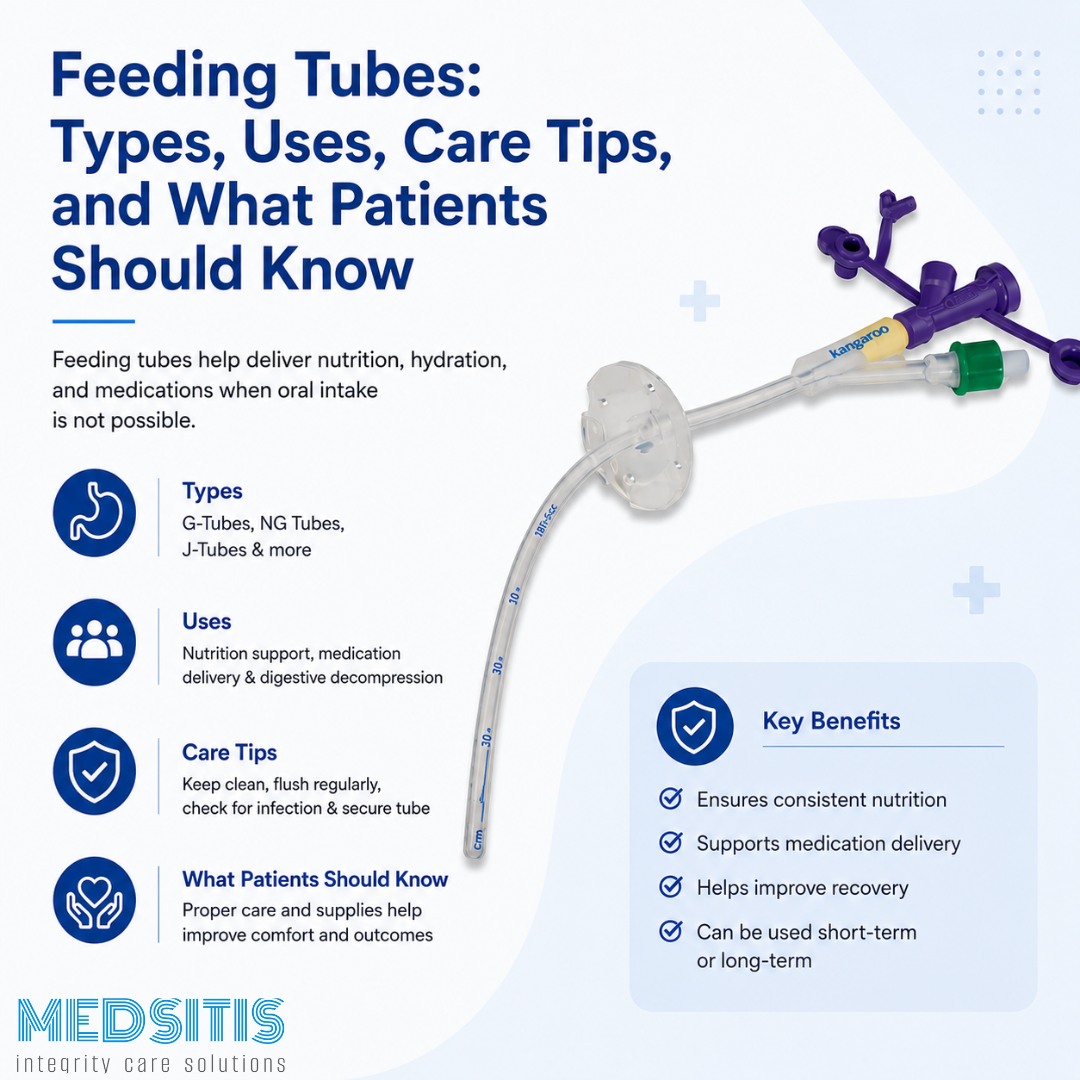
Feeding tubes play a critical role in healthcare by helping patients receive nutrition, hydration, and medications when they cannot eat or swallow safely on their own. Whether used temporarily after surgery or long-term for chronic medical conditions, feeding tubes improve quality of life and help patients maintain proper nutrition.
Healthcare providers, clinics, home health agencies, and caregivers frequently rely on different types of feeding tubes to meet patient needs. Understanding the differences between these tubes and how to properly care for them can help reduce complications and improve patient outcomes.
What Are Feeding Tubes?
A feeding tube is a medical device designed to deliver nutrition directly into the stomach or small intestine. These tubes are commonly used for patients with swallowing disorders, neurological conditions, cancer treatments, trauma recovery, or gastrointestinal issues.
Feeding tubes are used in hospitals, nursing facilities, rehabilitation centers, and home healthcare settings. They provide a safe and effective way to ensure patients receive the nutrients and medications they need.
Common Types of Feeding Tubes
Gastrostomy Tubes (G-Tubes)
Gastrostomy tubes are inserted directly into the stomach through the abdominal wall. These are commonly used for long-term nutritional support.
G-tubes are often recommended for patients who:
- Have difficulty swallowing
- Need long-term enteral feeding
- Have neurological disorders
- Are recovering from major surgery
Benefits of G-tubes include easier long-term management and improved patient comfort compared to nasal feeding tubes.

Nasogastric Tubes (NG Tubes)
Nasogastric tubes are inserted through the nose and travel down into the stomach. These tubes are usually used for short-term feeding or medication delivery.
NG tubes are commonly used in:
- Emergency care
- Temporary feeding support
- Post-surgical recovery
- Hospital settings
Because NG tubes are less invasive, they are often the first option for short-term nutritional needs.

Sump & Decompression Tubes
Sump and decompression tubes are used to remove air, fluids, or stomach contents from the gastrointestinal tract. These tubes help relieve pressure and prevent complications in patients with bowel obstructions or severe digestive issues.
Healthcare professionals commonly use decompression tubes for:
- Gastric drainage
- Post-operative recovery
- Intestinal obstruction management
- Reducing nausea and vomiting
These tubes are especially important in acute care and surgical environments.
Jejunal Tubes (J-Tubes)
Jejunal tubes are inserted into the jejunum, which is part of the small intestine. J-tubes are often used when feeding directly into the stomach is not possible.
Patients may require J-tubes if they:
- Experience severe reflux
- Have delayed gastric emptying
- Are at high aspiration risk
- Have pancreatic disorders
J-tubes help improve nutrient absorption while lowering the risk of complications related to stomach feeding.

Benefits of Feeding Tubes
Feeding tubes offer several important benefits for both patients and healthcare providers:
- Ensure consistent nutrition and hydration
- Support medication administration
- Help maintain body weight and strength
- Reduce aspiration risk
- Improve recovery and healing
- Allow long-term nutritional support at home
For many patients, feeding tubes provide a safer alternative to oral feeding and help improve overall health outcomes.
Feeding Tube Care Tips
Proper feeding tube care is essential for preventing infections, blockages, and complications. Here are some important tips caregivers and healthcare providers should follow:
1. Keep the Site Clean
Always clean the tube insertion site daily using mild soap and water unless instructed otherwise by a healthcare provider. Keeping the area dry and clean helps reduce infection risk.
2. Flush the Tube Regularly
Flushing feeding tubes before and after feedings or medications helps prevent clogs. Sterile or clean water is commonly used depending on clinical guidelines.
3. Check for Signs of Infection
Monitor for redness, swelling, drainage, foul odor, or pain around the insertion site. Report any unusual symptoms to a healthcare professional immediately.
4. Secure the Tube Properly
Properly securing the feeding tube helps prevent accidental pulling or dislodgement, especially for active patients or pediatric care.
5. Use Correct Feeding Supplies
Using high-quality syringes, connectors, extension sets, and feeding accessories can improve safety and reduce equipment issues.
6. Follow Feeding Schedules Carefully
Administer feedings at the recommended times and rates to help prevent nausea, bloating, or digestive discomfort.
Choosing the Right Feeding Tube Supplies
Medical facilities and caregivers should choose reliable feeding tube supplies that meet clinical standards for safety and performance. Quality supplies help improve patient comfort and reduce complications associated with enteral feeding.
Important factors to consider include:
- Tube compatibility
- Sterility
- Ease of use
- Patient comfort
- Durability
- Manufacturer reliability
Having dependable medical supply partners is also important for maintaining consistent patient care.
Partner With Medsitis for Feeding Tube Supplies
At Medsitis, we understand how important reliable medical supplies are for patient care. We proudly provide high-quality feeding tube products and medical supplies for healthcare providers, clinics, caregivers, and home health professionals.
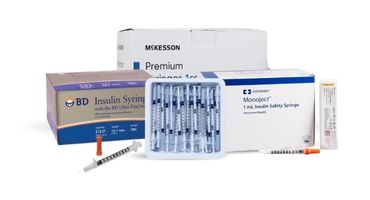
Whether you need gastrostomy tubes, nasogastric tubes, decompression supplies, syringes, or enteral feeding accessories, Medsitis is committed to helping you find dependable products at competitive prices.
Visit Medsitis to explore our medical supply solutions and learn how we can support your healthcare needs today.